Ouidah is Not Like Any Other City in West Africa. It is a Place Where Time Seems to Move Slower.
Walking through its quiet sandy streets, you will notice houses that look like they belong in Salvador de Bahia, Brazil, rather than Benin. These are the homes of the “Agudas”, descendants of returned Afro-Brazilians who brought their architecture, cuisine, and culture back to the motherland.
At The Expat Tours, we believe you cannot understand Ouidah without living in it. That is why we partner with Afro-Brazilian Villas and heritage guesthouses. It is not just accommodation. It is a living museum.

1. A Living History Lesson
Staying in one of these villas is an immersion into the complex history of the trans-Atlantic slave trade and the return of the diaspora.
The architecture features high ceilings, thick walls, and wide verandas designed to catch the sea breeze. Inside, you will often find antique furniture, old family photographs on the walls, and a sense of saudade or nostalgic longing that permeates the atmosphere. It is deeply atmospheric and incredibly poignant.

2. Quiet Reflection
Ouidah is the spiritual capital of Voodoo, but it is also a place of reflection. Unlike the bustle of Cotonou, Ouidah is sleepy and peaceful.
Wake up to the sound of church bells ringing alongside the drums from a nearby Voodoo convent. Most villas are built around lush tropical gardens with mango and almond trees. It is the perfect place to sit with a book and process the powerful history you are witnessing.
January 10th is the most important date on the Beninese calendar. It is the National Voodoo Festival, a day when the connection between the physical and spiritual worlds is felt most strongly.
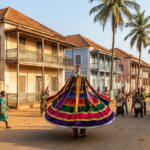
The city of Ouidah erupts in color and sound. You will see mesmerizing Zangbeto guardians, which look like spinning haystacks, moving in trance-like states through the streets. You will witness the ornate Egungun spirits who represent the ancestors returned to earth. It is an assault on the senses in the best possible way. The insider tip here is access. We arrange private shaded terraces or reserved seating areas so you can witness the major ceremonies comfortably without being swallowed by the massive, enthusiastic crowds.
You do not need to visit in January to feel the power of Vodun. It is woven into the fabric of everyday life here.
We move beyond the tourist spectacles to arrange private consultations with prominent Bokonon, who are Fa diviners capable of explaining the intricate philosophy of the religion. We also offer access to smaller village ceremonies in the interior that are authentic and far removed from the tourist trail. The key is respectful observation. It is about understanding a worldview that has survived centuries of suppression.

3. Steps from the Sacred
Location is everything here. By staying in the old quarter, you are walking distance from the most significant sites.
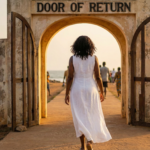
You are near the Temple of Pythons where sacred pythons are revered. You are close to the Sacred Forest, a place of legend and silence. Crucially, you are near the start of the Route of Slaves, the emotional 4km path leading to the Door of No Return on the beach. Being close allows you to visit these sites early in the morning before the heat of the day sets in.
4. A Culinary Fusion
The “Aguda” influence extends to the kitchen.
In these guesthouses, you might be served dishes that blend local Beninese ingredients with Brazilian recipes. Look for Feijoada, a bean stew adapted for the West African palate, or Kloui kloui, which are crunchy peanut snacks perfect for a midday treat.
Connect with Your Roots
Ouidah is a pilgrimage for many. Your stay should honor that journey.
???? The “Door of No Return” Visit These villas are small, intimate, and often family run. We secure rooms that offer the most authentic experience. Book your Ouidah stay with us, and we will arrange a guided historical walk down the Route of Slaves with a local historian. They can explain the spiritual and historical significance of every statue along the way, ensuring you leave with a deep understanding of the land.